South Dakota DUI Laws: Guide to Drunk Driving Charges and Penalties
South Dakota’s DUI laws (referred to as Driving Under the Influence are strictly enforced, with a particular emphasis on repeat offenses and high blood alcohol concentrations. South Dakota utilizes the “24/7 Sobriety Program,” a rigorous monitoring system requiring daily testing. Understanding South Dakota’s specific DUI regulations, the role of the 24/7 program, and the license suspension process is essential for anyone facing a drunk driving charge in the Mount Rushmore State.
Getting Started
South Dakota relies heavily on its 24/7 Sobriety Program as a tool to deter repeat offenses. The state often requires someone convicted of DUI to submit one or more of the following: twice-a-day testing, urinalysis, drug patch, electronic alcohol monitoring device, ignition interlock device, or mobile breath alcohol testing device. However, individuals who are arrested for a second or subsequent DUI are required as a condition of bond to refrain from alcohol use and report to a specific law enforcement location to be placed in the 24/7 Sobriety Program for alcohol testing.
A DUI conviction in South Dakota typically results in fines, a license suspension and possible jail time. Offenders might also have to undergo an alcohol and drug evaluation and complete a treatment program. In some cases, there is remote monitoring and testing to ensure sobriety after a conviction. Being arrested for a DUI in South Dakota initiates two separate processes: an administrative procedure through the Department of Public Safety (DPS) that affects your driving privileges and a criminal case that determines legal penalties.
Important Note: While this page provides detailed information, DUI.org does not offer legal advice. South Dakota DUI laws can change, so consult a qualified DUI attorney for personalized guidance.
Definitions to Know
DUI (Driving Under the Influence)
The legal term in South Dakota for operating a motor vehicle while impaired by alcohol, drugs, or controlled substances.
24/7 Sobriety Program
Participation in the 24/7 Sobriety Program may be ordered through the court as a condition of bond, pre-trial release, or as a condition of sentence or probation for any violation where drugs or alcohol may be involved, cases involving domestic abuse, or abuse/neglect of a child. Individuals in the 24/7 Sobriety Program may be subject to one or more of the following, twice a day testing, urinalysis, drug patch, electronic alcohol monitoring device, ignition interlock device, or mobile breath alcohol testing device.
Department of Public Safety (DPS)
The state agency responsible for driver licensing, license revocations, and restricted permits.
Ignition Interlock Device (IID)
A breathalyzer installed in a vehicle that prevents it from starting if alcohol is detected on your breath.
Chemical Dependency Evaluation
A mandatory assessment for many drivers convicted of DUI to determine if they suffer from substance abuse disorders.
SR-22
A certificate of financial responsibility that proves you have the minimum required liability auto insurance coverage after a DUI court-convicted suspension.
Department of Public Safety (DPS)
The South Dakota Department of Public Safety handles the administrative aspects of DUI cases, including license revocations and reinstatements. The DPS Driver Licensing program processes restricted driving permits for eligible offenders and ensures compliance with financial responsibility (SR-22) requirements.
Steps to Take After DUI Arrest in South Dakota
- Hire an Attorney
Legal counsel can guide you through both the criminal court process and administrative license issues.
- Request a Restricted Permit
If your license is revoked, you may apply for a restricted permit to drive for work or school purposes.
- Enroll in the 24/7 Sobriety Program
Often a condition of bond or release, this program requires strict compliance with daily testing.
- Install an Interlock Device
If ordered by the court or required for your restricted permit, you must install an IID from an approved provider.
- Complete Chemical Dependency Evaluation
You may be required to undergo an evaluation to determine if treatment is necessary.
- File an SR-22 form
Before applying for any restricted license, if required.
- Pay Fines and Fees
Court fines are separate from the license reinstatement fees paid to the DPS.
- Attend Court Proceedings
Your criminal case will proceed through the court system, where penalties like jail time and fines are determined.
- Serve Jail Time
Mandatory jail time applies to repeat offenses, though it can sometimes be served via work release or home confinement.
- Avoid Further Violations
Any new DUI or failure to appear for a 24/7 test can result in immediate jail time and revocation of bond.
DUI Laws in South Dakota
What Are the Legal Driving Alcohol Limits in South Dakota?
The law establishes specific blood alcohol concentration (BAC) thresholds based on age and license type. South Dakota law enforcement uses chemical tests to measure BAC during arrests.
| Driver Category | Illegal BAC Limit |
| Age 21 and over | 0.08% or higher |
| Commercial Drivers (CDL) | 0.04% or higher |
| Under 21 | 0.02% or higher (Zero Tolerance) |
Felony vs Misdemeanor DUI Charges
In South Dakota, DUI charges can be classified as either misdemeanors or felonies depending on your driving history and the circumstances of the arrest:
Class 1 Misdemeanor: A DUI is typically charged as a Class 1 Misdemeanor for first and second offenses. First-time offenses can face up to 1 year in jail, fines up to $2,000, and license revocation.
Felony DUI: A drunk driving conviction becomes a felony in South Dakota under these circumstances:
- Third DUI offense within 10 years
- Fourth DUI offense within 10 years
- Fifth or subsequent DUI offense within 10 years
- Vehicular Homicide (DUI causing death)
- Vehicular Battery (DUI causing serious bodily injury)
Refusing a Chemical Test Under South Dakota DUI Law
South Dakota operates under implied consent law. By driving on South Dakota roads, you implicitly agree to chemical testing if lawfully arrested for suspicion of driving under the influence. Refusing a test has significant consequences:
| Offense | License Revocation | Evidence in Court |
| Any Refusal | 1 year (mandatory) | Refusal can be used as evidence |
Note: Even if you refuse, law enforcement may seek a search warrant to obtain a blood tests results.
DUI Penalties & Consequences
Penalties for DUI Offenses in South Dakota
Penalties for DUIs in South Dakota become progressively more severe with each conviction within the 10-year lookback period:
1st Offense (Misdemeanor)
Jail Time: Up to 1 year (no mandatory minimum)
Fines: Up to $2,000
License Revocation: 30 days to 1 year
Other Requirements: Chemical dependency evaluation (if BAC .17%+); possible 24/7 Sobriety Program participation.
2nd Offense (Misdemeanor)
Jail Time: Up to 1 year (no mandatory minimum)
Fines: Up to $2,000
License Revocation: Minimum 1 year
Other Requirements: Mandatory chemical dependency evaluation; 24/7 Sobriety Program; possible vehicle impoundment.
3rd Offense (Felony)
Prison Time: Up to 2 years
Fines: Up to $4,000
License Revocation: Minimum 1 year
Other Requirements: Mandatory chemical dependency counseling; 24/7 Sobriety Program.
4th Offense (Felony)
Prison Time: Up to 5 years
Fines: Up to $10,000
License Revocation: Minimum 2 years
Other Requirements: Mandatory chemical dependency counseling; 24/7 Sobriety Program.
5th Offense (Felony)
Prison Time: Up to 10 years
Fines: Up to $20,000
License Revocation: Minimum 3 years
Other Requirements: Mandatory chemical dependency counseling; 24/7 Sobriety Program.
Aggravating Factors That Increase South Dakota DUI Penalties
In South Dakota, these aggravating factors can lead to additional requirements or enhanced scrutiny:
- High BAC Levels: A BAC of .17% or higher mandates a chemical dependency evaluation.
- Child in Vehicle: While not a separate felony enhancement itself, judges consider it heavily during sentencing.
- Causing Injury or Death: Vehicular battery and vehicular homicide are separate felony charges with severe prison sentences (up to 15 years for homicide).
Driving Without a Valid License
Driving with a revoked or suspended license in South Dakota after a DUI is a serious offense. If caught, you face:
- Mandatory Jail Time: Up to 1 year (Mandatory 3-day minimum if revoked for a 2nd DUI offense).
- Fines: Up to $2,000.
- Extended Revocation: An additional 1 year of revocation is typically added to your existing term.
License Suspension
Who Determines if You Can Continue Driving After a DUI
In South Dakota, two separate entities determine driving privileges:
- Administrative (DPS): The Department of Public Safety handles implied consent revocations for refusing a test.
- Judicial (Courts): The court orders license revocations upon conviction. The judge has discretion over the length of revocation within statutory limits and whether to grant restricted driving privileges.
How Long Will Your License Be Suspended?
Getting your license revoked in South Dakota means you cannot legally drive unless you obtain a restricted permit.
| Offense | Revocation Period |
| 1st Offense | 30 days to 1 year |
| 2nd Offense | Minimum 1 year |
| 3rd Offense | Minimum 1 year |
| 4th Offense | Minimum 2 years |
| Refusal | 1 year |
Steps to Reinstate Your License
To reinstate your driving privileges in South Dakota after a DUI revocation:
- Serve the required revocation period.
- Pay the reinstatement fee plus application fees.
- Pass vision and knowledge tests (required after any revocation).
- File an SR-22 Certificate of Financial Responsibility, if required (may be required for 3 years from conviction date).
- Complete any court-ordered chemical dependency programs.
Restoring Your Driving Privileges
After a DUI conviction in South Dakota, restoring your full driving privileges requires completing specific steps. You can drive legally during your revocation period by obtaining a restricted permit.
Eligibility for a Restricted Driving Permit
A restricted permit (often called a Work Permit) allows you to drive for specific purposes such as work, school, and court-ordered programs. Eligibility generally requires:
- Compliance with the 24/7 Sobriety Program (often mandatory for eligibility).
- Enrollment in or completion of a chemical dependency program (if required)
- Proof of SR-22 insurance, if required
- Payment of application fees
- Total abstinence from alcohol (if ordered)
The permit typically restricts driving to the most direct route between your home and approved locations (work, school, treatment).
How to Apply for a Restricted Driving Permit
- Obtain Court Order
Request permission from the sentencing judge for a restricted permit.
- Pass Tests
Pass the vision and knowledge tests at a driver exam station (required if your license is currently revoked).
- Submit Application
Complete the “Application for South Dakota Restricted Permit” form.
- Provide Proof
Submit proof of employment/school enrollment and SR-22 insurance.
- Pay Fees
Pay the required license fee to the DPS.
- Carry Permit
Once issued, you must always carry the restricted permit and the court order with you while driving.
South Dakota 24/7 Sobriety Program & Ignition Interlock
South Dakota is unique in its heavy reliance on the 24/7 Sobriety Program.
24/7 Sobriety Program Requirements:
- Twice-Daily Breath Testing (PBT): Participants may be required to report to a designated testing site (usually the sheriff’s office) every morning and evening to provide a breath sample, or the court or supervising authority may order another state‑approved sobriety monitoring method (such as an ignition interlock device or remote breath testing)
- SCRAM Bracelets: Continuous alcohol monitoring anklets may be used for those unable to travel to testing sites
- Drug Testing: Random urinalysis or drug patches may be required
- Consequences: Failing a test or missing a scheduled time results in immediate jail time (often 12-24 hours) and court notification
Ignition Interlock Device (IID)
While not mandatory for all first offenders by statute (but mandatory for 2nd and subsequent offenses), judges frequently order IIDs as a condition of a restricted license or bond.
- Cost: You are responsible for all installation and monthly monitoring fees.
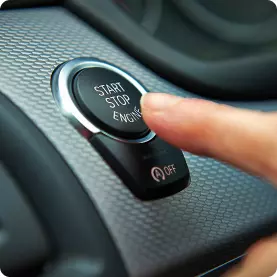
Selecting the right ignition interlock provider can make a world of difference.
SR-22 Insurance Requirements in South Dakota
You may be required to file an SR-22 certificate of financial responsibility after a DUI or other alcohol-related driving offense in South Dakota if your license has been suspended or revoked and you want to legally drive again.
This proof is typically provided by your insurance company, which files an SR-22 with the state to show you carry at least the minimum liability coverage required for high-risk drivers.
SR-22 filings may be required for 3 years from the date you become eligible for reinstatement, and any lapse or cancellation in coverage can lead to your license being suspended again until a new SR-22 is filed.

Let us help connect you to the right licensed insurance specialist for you.
Substance Abuse Evaluation and Treatment
South Dakota judges often require a Chemical Dependency Evaluation following DUI convictions, especially those with a BAC of .17% or higher or repeat offenses.
The process includes:
- Evaluation: An assessment by a state-certified chemical dependency counselor.
- Recommendation: The counselor recommends a level of care (education, outpatient, or inpatient treatment).
- Compliance: The court will order you to follow the counselor’s recommendations as a condition of your sentence.

Understand what to expect and how to prepare for a substance abuse evaluation.
FAQs About DUIs in South Dakota
Can you refuse a breathalyzer test in South Dakota?
You can refuse, but under implied consent laws, doing so results in an automatic 1-year license revocation. Refusal can also be used as evidence against you in court.
Will you go to jail for a first-time DUI in South Dakota?
Jail time is possible (up to 1 year) but not mandatory for a first offense. Many judges suspend the jail sentence on the condition that you complete a chemical dependency evaluation and pay fines.
Is a DUI a felony in South Dakota?
A DUI is typically a misdemeanor for the first two offenses. It becomes a felony if it is your third offense within 10 years, or if the DUI resulted in death or serious bodily injury.
Can you drive to work after a DUI in South Dakota?
Yes, if the judge grants you a restricted driving permit, you can drive to work after a DUI in South Dakota. You will likely need to participate in the 24/7 Sobriety Program and carry SR-22 insurance to qualify.
Sources
- South Dakota Legislature. (2024). South Dakota Codified Laws § 32-23 https://sdlegislature.gov/Statutes/32-23
- South Dakota Department of Public Safety. (n.d.). Revoked & Suspended Licenses. https://dps.sd.gov/driver-licensing/south-dakota-licensing-information/revoked-or-suspended
- South Dakota Attorney General. (n.d.). 24/7 Sobriety Program. https://atg.sd.gov/docs/247PublicPresentation.pdf
- National College for DUI Defense. (n.d.). South Dakota DUI Laws. https://www.ncdd.com/south-dakota-dui-laws
- South Dakota Legislature. (2024). South Dakota Codified Laws § 1-11-30. https://sdlegislature.gov/Statutes/1-11-30
Get support.
What is next? We can help you through the process. Give us a little information and we can support you through the next steps.
All fields are required.