Indiana’s OWI Laws: Guide to Drunk Driving Charges and Penalties
If you’re arrested for an OWI (Operating While Intoxicated) in Indiana, the state enforces strict penalties but also provides clear procedures to address the charges. The consequences may increase for repeat violations or high blood alcohol levels. License suspensions can last from 180 days to several years, and ignition interlock devices may be required—particularly for specialized driving privileges. Understanding what you face and what comes next may help you navigate the system and seek to regain your independence responsibly.

Getting Started
If you’re arrested for an OWI in Indiana, you’ll deal with two separate legal processes that operate independently: criminal court and administrative license suspension. In Indiana, these processes do not fully move on the same timeline, even though they are related. You should expect your license to be suspended administratively while waiting for your criminal court case to begin.
Important Note: While this page provides detailed information, DUI.org is not a law firm and does not offer legal advice. Laws can change, so talk to a qualified DUI attorney for advice tailored to your situation.
Definitions to Know
OWI (Operating While Intoxicated)
Indiana’s legal term for operating a vehicle while impaired by alcohol, controlled substances, or other drugs that affect your ability to operate safely.
SR-22
A certificate of insurance that proves you have at least the minimum required liability auto insurance after an OWI conviction or suspension. You may be required to keep this active for a set period—typically three years for OWI-related suspensions.
IID (Ignition Interlock Device)
A breath-testing device installed in your vehicle that tests your breath alcohol concentration before the engine starts. If alcohol is detected above a set limit on your breath, the vehicle will not start.
Indiana Bureau of Motor Vehicles (BMV)
The Indiana Bureau of Motor Vehicles is the state agency that manages driver licenses, suspensions, and IID programs. The BMV handles the administrative (non-criminal) side of OWI cases and works with courts to enforce penalties.
Steps to Take After OWI Arrest in Indiana
- Hire an Attorney
A lawyer can help you navigate both the criminal case and the license suspension process.
- Request an Administrative Hearing
You generally have 10 days from your arrest or notice of suspension to request a hearing with the BMV to challenge your license suspension. Failing to act within this window may finalize the administrative suspension.
- Understand Your License Suspension
Your license will be suspended administratively if you fail a certified chemical test or refuse a test. This happens independently of whether you’re ultimately convicted.
- Apply for Specialized Driving Privileges
You may petition the court for permission to drive for specific reasons (like work or medical appointments) during your suspension. If your suspension is due to a refusal, you are generally only eligible if you install an ignition interlock device.
- Install an IID (If Required)
The court may require an ignition interlock device on your vehicle. This is mandatory if you are granted driving privileges after refusing a chemical test.
Explore IIDs - File an SR-22 Insurance
You will likely be required to file proof of financial responsibility with the BMV to show you have adequate auto insurance coverage before your driving privileges can be reinstated.
- Complete Substance Abuse Evaluation
You must get an alcohol/drug assessment from a certified provider and complete any recommended treatment.
- Pay Fines and Court Costs
Court fines range from several hundred to several thousand dollars plus additional fees for license reinstatement.
- Attend Court Hearings
You’ll have criminal court appearances separate from any administrative license hearings.
- Serve Probation
You may be required to check in regularly with a probation officer and follow court orders.
- Avoid New Violations
Any new OWI or violation of court orders can result in even harsher penalties.
Expert DUI Attorneys in Indiana
An experienced DUI attorney can help guide you through the process and represent your interests in court. If you are unsure how to find an attorney, we partner with several in your area.
VIEW ALL ATTORNEYSIndiana OWI Laws Explained
What Are the Legal Driving Alcohol Limits in Indiana?
In Indiana, it’s illegal to operate a vehicle if you’re impaired by alcohol, drugs, or both. The law sets specific blood alcohol concentration (BAC) limits based on your age and type of license. Police often use a breathalyzer to quickly check your Breath Alcohol Concentration (BrAC).
| Driver Category | Legal BAC Limit |
| 21 and over | 0.08% or higher |
| Commercial Drivers (CDL) | 0.04% or higher |
| Under 21 | 0.02% or higher (zero tolerance) |
Felony vs Misdemeanor OWI Charges in Indiana
Most OWI charges in Indiana start as misdemeanors, but they can become felonies if certain factors apply.
Class C Misdemeanor
Operating a vehicle with a BAC between 0.08 and 0.14. This is the most common first offense charge.
Class A Misdemeanor
Operating a vehicle with a BAC of 0.15 or higher or driving while impaired in a way that endangers someone else.
Level 6 Felony
Your OWI becomes a felony if:
- You have a previous conviction for OWI or a related offense within the past 7 years;
- You were at least 21 years old and driving with a passenger under 18 years old; or
- You caused the death of a law enforcement animal.
Level 5 Felony
This charge applies if:
- You cause serious bodily injury to another person while operating a vehicle; or
- You have a previous conviction for OWI that caused death, serious injury, or catastrophic injury.
Level 4 Felony (Most Serious)
This charge applies if:
- You cause death or catastrophic injury to another person while operating a vehicle; or
- You cause serious bodily injury and have a previous conviction for OWI within the past 5 years.
Does Indiana Offer Drunk Driving Diversion Programs?
If you’re charged with an OWI, Indiana allows for conditional deferment under specific circumstances. This program lets the court postpone your case for up to one year while you complete treatment. If you successfully finish the required program and court orders, your charges may be dismissed.
To be eligible:
- It must be a misdemeanor or infraction for an OWI-related offense (felonies are generally ineligible).
- A certified treatment provider must evaluate you
- You must agree to complete recommended treatment
- You and the prosecutor must both consent to the deferral
Important: If you previously received a deferral for an OWI offense, you are statutorily ineligible for another one.
Refusing a Chemical Test Under Indiana OWI Law
When you operate a vehicle in Indiana, you automatically consent to a certified chemical test if police suspect you of impaired driving. This is called implied consent. Refusing a test brings automatic consequences, separate from any criminal charges.
Offense
First Refusal
Refusal with Prior OWI Conviction
Using Refusal as Evidence
Penalty for Test Refusal
1-year license suspension
2-year license suspension
The police can tell the judge you refused, which is admissible as evidence against you in court
OWI Penalties & Consequences in Indiana
Penalties for OWI Offenses in Indiana
Penalties depend on your BAC level and whether you have prior OWI convictions.
First OWI (BAC 0.08 – 0.14)
Jail: Up to 60 days
Fine: Up to $500
License Suspension: 60 days (plus 180-day administrative suspension)
Court Costs: Typically over $300
Other Requirements: Substance abuse evaluation, possible probation, victim impact panel attendance
First OWI (BAC 0.15 or Higher)
Jail: Up to 1 year
Fine: Up to $5,000
License Suspension: Up to 1 year (plus 180-day administrative suspension)
Court Costs: Typically over $300
Other Requirements: Same as above
Second OWI (Within 7 Years)
Jail: At least 5 days minimum, or 240 hours of community service
Potential Jail: 6 months to 2.5 years (plus 1 to 8 years if Habitual Vehicular Substance Offender)
Fine: Up to $10,000
License Suspension: Minimum 1 year
Other Requirements: Probation, substance abuse treatment, mandatory SR-22
Third OWI (Two or More Prior Convictions)
Jail: At least 10 days minimum, or 480 hours of community service
Potential Jail: 6 months to 2.5 years (plus 1 to 8 years if Habitual Vehicular Substance Offender)
Fine: Up to $10,000
License Suspension: Minimum 1 year
Habitual Status: You may be declared a habitual traffic violator, which brings additional long-term consequences
Other Requirements: Probation, substance abuse treatment
All OWI Convictions May Include
✓ Mandatory substance abuse assessment and treatment
✓ Probation (up to 2.5 years for Level 6 Felony)
✓ SR-22 insurance filing (typically for 3 years)
✓ Victim impact panel attendance
✓ Court costs and fees
✓ Possible urine testing for alcohol and drugs
Aggravating Factors That Increase Indiana OWI Penalties
Certain factors lead to harsher penalties:
- Very High BAC (0.15+): Elevates penalties from Class C to Class A misdemeanor
- Causing an Accident: Especially with injuries or death
- Child Passenger: Driving impaired with a passenger under 18 (if you’re 21+)
- Prior OWI Convictions: Previous convictions within 7 years automatically increase penalties to a Level 6 Felony
- Refusing a Chemical Test: Adds administrative suspension on top of criminal penalties
- Reckless Driving: Operating impaired in a way that endangers others
Driving Without a Valid License or a Required IID in Indiana
Driving while your license is suspended due to an OWI is a criminal offense. If caught, you face additional charges and penalties. The same applies if you drive without a required ignition interlock device installed or if you violate the conditions of specialized driving privileges.
License Suspension in Indiana
Who Controls Your Driving Privileges After an OWI?
In Indiana, two separate agencies handle your driving privileges:
Administrative (BMV): The Bureau of Motor Vehicles administratively suspends your license typically 180 days if you fail a chemical test (0.08 BAC or higher) or one year if you refuse a chemical test. This happens even if you’re not yet convicted. You have 10 days from the date of the notice to request a hearing to challenge this suspension.
Criminal (Courts): The court may impose a separate license suspension as part of your criminal sentence if you’re convicted.
These suspensions can happen at the same time. However, if you’re granted specialized driving privileges, time served counts toward your total suspension period.
How Long Will Your License Be Suspended?
The suspension length depends on whether it’s your first offense and the BAC level.
| Offense Type | Administrative Suspension | Court-Ordered Suspension |
| First Offense (pass BAC test) | 0 days (no admin suspension specifically for passing test) | Up to 60 days (Class C) or 1 year (Class A) |
| First Offense (fail BAC test) | 180 days | Up to 60 days (Class C) or 1 year (Class A) |
| Second Offense | 180 days | Minimum 1 year |
| Third Offense | 1 year | Minimum 1 year (up to 10 years if habitual) |
| Test Refusal (First) | 1 year | Varies (up to max jail term) |
| Test Refusal (Repeat) | 1 year | Minimum 1 year |
Steps to Reinstate Your License
- Complete your suspension period (or finish specialized driving privilege requirements)
- Pay BMV reinstatement fees
- File SR-22 insurance proof if required (maintain for 3 years)
- Complete a substance abuse evaluation and any recommended treatment
- Install an IID if the court requires it
- Show proof of ignition interlock compliance (if applicable)
- Submit all documents to the BMV
Restoring Your Driving Privileges
After an OWI arrest or conviction, Indiana offers ways to drive again before your suspension fully ends. This can help you keep your job and meet important obligations.
What Are Specialized Driving Privileges?
Specialized driving privileges (sometimes called a “hardship license”) let you drive with restrictions during your suspension. You can petition the court for this permission.
You cannot get specialized driving privileges if:
- You’ve never been an Indiana resident
- You have a commercial driver’s license and want to drive a commercial vehicle
- You refused to submit to a chemical test (though an ignition interlock hardship license may be an option)
- You caused the death of another person while driving impaired
- You’ve been granted privileges before and violated the conditions more than once
- You were suspended for incompetence or unfit driving
- You were suspended for passing a school bus
Exception: As of July 1, 2020, if you refused a chemical test, you MAY get specialized driving privileges if you agree to install an ignition interlock device in your vehicle and have no prior refusals.
How to Get Specialized Driving Privileges
For Court-Ordered Suspensions:
- File a verified petition in the court that convicted you
- Explain why you need to drive (work, school, medical care, childcare)
- List specific times and places you need to drive
- Wait for the judge’s decision (the judge has the final say)
For BMV Administrative Suspensions:
- File a verified petition in circuit or superior court in the county where you reside
- Include the same information above
- Pay civil filing fees
- Wait for the judge’s decision
If approved, the court may set conditions such as:
- Specific times and places you can drive
- Installation of an ignition interlock device (mandatory if you refuse a chemical test)
- SR-22 insurance requirement
- Regular check-ins with your probation officer (if convicted by court)
- Completion of treatment programs
Ignition Interlock Device (IID) Requirements in Indiana
An ignition interlock device is a breathalyzer you blow into before your car starts. Indiana may require an IID after an OWI conviction or as a condition of specialized driving privileges.
Key Points:
- Installation: Must be installed by a certified provider in any vehicle you operate
- How It Works: You blow into the device when you start the car. If alcohol is detected, the car won’t start
- Random Retests: While driving, the device asks for random breath samples. Pull over safely to provide it
- Maintenance: Regular appointments are required for calibration and monitoring
- Violations: Failed tests, missed appointments, or tampering extends your requirement or revokes your driving privileges
- Cost: You pay for installation, monthly monitoring fees, and removal
- Financial Help: Some drivers may qualify for assistance based on income level
Employer Vehicles: You may ask the court for an exemption if your employer owns the vehicle and doesn’t assign it exclusively to you.
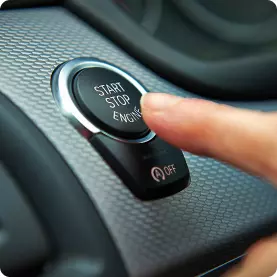
Selecting the right ignition interlock provider can make a world of difference.
SR-22 Insurance: What You Need to Know
After an OWI conviction, you may be required to file an SR-22 certificate of insurance with the BMV. This proves you have the legally required minimum car insurance.
Important Details:
- Maintain SR-22 continuously (typically 3 years for OWI cases)
- Any lapse in coverage results in automatic license suspension
- Your insurance company handles the filing electronically
- SR-22 insurance costs much more than regular insurance due to your high-risk status
Minimum Coverage Required:
- $25,000 for one person’s medical bills or death
- $50,000 for two or more people in one accident
- $25,000 for property damage

Let us help connect you to the right licensed insurance specialist for you.
Substance Abuse Evaluation and Treatment
Indiana courts require most OWI offenders to complete a substance abuse evaluation from a certified provider.
What the evaluation does:
- Determines if you have alcohol or drug abuse issues
- Recommends appropriate treatment based on findings
- Results guide your court-ordered treatment plan
Where to Get an Evaluation:
IOCS-Certified Programs: Indiana’s Office of Court Services runs substance abuse programs in approximately 54 counties. These programs provide evaluations and education courses (typically 8-20 hours) for criminal justice cases.
DMHA-Certified Providers: Indiana’s Division of Mental Health and Addiction certifies treatment providers. These offer comprehensive evaluations, therapy, and education programs.
Completing your evaluation and all recommended treatment is mandatory for license reinstatement.
Contact your county court services or probation department to find a certified provider.

Understand what to expect and how to prepare for a substance abuse evaluation.
Frequently Asked Questions About Indiana OWI
Can I refuse a breath test in Indiana?
You can refuse a breath test in Indiana, but it automatically triggers a 1-year license suspension (2 years if you have a prior OWI conviction). The refusal may also be used as evidence against you in court.
Should I hire a lawyer for a first OWI?
An attorney can help reduce penalties, navigate both the criminal and administrative processes, and protect your rights.
Are diversion or deferral programs available?
Indiana’s conditional deferment program may be available for a first OWI-related misdemeanor if you meet eligibility requirements. Talk to your attorney about your options.
Sources
- Indiana Criminal Justice Institute. (2020). Impaired Driving. Retrieved from https://www.in.gov/cji/traffic-safety/impaired-driving
- Indiana Criminal Justice Institute. (2021). Drunk Driving. Retrieved from https://www.in.gov/cji/traffic-safety/drunk-driving
- Indiana Bureau of Motor Vehicles. (2020). Common Traffic Violations. Retrieved from https://www.in.gov/bmv/licenses-permits-ids/suspension-and-reinstatement/common-traffic-violations
- Indiana Bureau of Motor Vehicles. (2020). Proof of Financial Responsibility. Retrieved from https://www.in.gov/bmv/licenses-permits-ids/suspension-and-reinstatement/proof-of-financial-responsibility
- Indiana Court Services. (2025). Driving Privileges. Retrieved from https://www.in.gov/courts/iocs/files/pubs-trial-court-driving-privileges.pdf
- Indiana Office of Court Services. (2020). Resources for Substance Abuse Education and Assessment Services. Retrieved from https://www.in.gov/courts/iocs/pscourts/links/resources
- National College for DUI Defense. (2025). Indiana OWI Laws. Retrieved from https://www.ncdd.com/indiana-owi-laws
Get support.
What is next? We can help you through the process. Give us a little information and we can support you through the next steps.
All fields are required.