Nebraska DUI Laws: Understanding Penalties, Requirements, and Recovery Steps
Nebraska’s DUI laws blend accountability with pathways for a fresh start. The state enforces strict consequences for impaired driving, especially when blood alcohol levels exceed legal limits. Penalties rise sharply for repeat violations or high BAC results, with longer license suspensions and mandatory ignition interlock use. Nebraska’s approach sends a clear message: safety comes first, but there’s always room to rebuild responsibly.

Getting Started
If you’re arrested for a DUI in Nebraska, you face both criminal proceedings and administrative license revocation processes.
Important Note: While this page provides detailed information, DUI.org does not offer legal advice. Laws can change, so consult a qualified DUI attorney for personalized guidance.
Definitions to Know
DUI (Driving Under the Influence)
This is Nebraska’s legal term for operating a motor vehicle while impaired by alcohol or drugs.
SR-22
A certificate of insurance-based financial responsibility that proves you have the minimum required liability insurance coverage after a DUI conviction in Nebraska.
IID (Ignition Interlock Device)
A breathalyzer installed in your vehicle that prevents it from starting if alcohol is detected on your breath.
Nebraska Department of Motor Vehicles (DMV)
The state agency responsible for driver licensing, including administrative license revocations, IID oversight, and SR-22 monitoring. The DMV handles the administrative side of Nebraska DUI cases, including license revocations, IID permits, and license reinstatement requirements. They maintain driver records and work alongside courts to ensure compliance with all DUI penalties and restrictions.
Steps to Take After DUI Arrest in Nebraska
- Hire an Attorney
Legal counsel can help navigate both administrative and criminal processes.
- License Revocation
In Nebraska, your license will be administratively revoked upon arrest if you fail or refuse a chemical test.
- Request an Administrative Hearing
If contesting the administrative revocation, you must request a hearing with the DMV within 10 days of arrest.
- Apply for an Ignition Interlock Permit
If eligible, you can apply for an ignition interlock permit to drive during your revocation period.
- Install an IID
Required for ignition interlock permits and mandatory for high-BAC or repeat offenses.
Explore IIDs - File an SR-22 Form
This proof of financial responsibility may be required for license reinstatement after a DUI revocation in Nebraska.
- Complete Substance Abuse Evaluation and Treatment
Mandatory assessment and completion of recommended treatment programs.
- Pay Fines and Fees
Court fines range from $500 to $10,000 depending on offense level, plus reinstatement and administrative fees.
- Complete DUI Education Program
Alcohol education courses certified by the DMV may be required.
- Attend Court Proceedings
Your criminal case will proceed through court independently from the administrative license actions.
- Probation
Probation terms may include regular check-ins and abstaining from alcohol or drugs.
- Avoid Further Violations
Any new DUI or violation of license restrictions can result in extended revocations and additional penalties.
Expert DUI Attorneys in Nebraska
An experienced DUI attorney can help guide you through the process and represent your interests in court. If you are unsure how to find an attorney, we partner with several in your area.
VIEW ALL ATTORNEYSDUI Laws in Nebraska
What Are the Legal Driving Alcohol Limits in Nebraska?
In Nebraska, it’s illegal to drive if you’re under the influence of alcohol, drugs, or both. The law sets clear blood alcohol concentration (BAC) limits based on your age and license type. Police often use a breathalyzer to quickly check your Breath Alcohol Concentration (BrAC).
Felony vs Misdemeanor DUI
In Nebraska, most first and second DUI offenses are classified as misdemeanors. However, certain circumstances can elevate a DUI to a felony charge.
Misdemeanor: First and second offenses, unless aggravating factors.
Felony: Third aggravated offense (high BAC or prior felonies), and all fourth/subsequent offenses.
Causing serious injury or death is always a felony.
What Are Drunk Driving Diversion Programs in Nebraska?
Nebraska does not offer state-level DUI diversion programs; some counties may have options, but these are rare and limited.
Refusing a Chemical Test Under Nebraska DUI Law
Nebraska operates under implied consent law. When you drive on Nebraska roads, you automatically consent to chemical testing if arrested for suspected DUI. Refusing a chemical test in Nebraska results in automatic administrative penalties separate from any criminal charges.
| Refusal Consequence | First Offense | Second Offense | Third+ Offense |
| License Revocation | 1 year ALR | 1 year ALR | 1 year ALR |
| Additional Penalties | Cannot obtain Ignition Interlock Permit (IIP) or Sobriety Program Permit (SPP) until ordered by court as part of criminal sentence for DUI | Cannot obtain IIP or SPP until ordered by court as part of criminal sentence for DUI | Cannot obtain IIP or SPP until ordered by court as part of criminal sentence for DUI |
DUI Penalties & Consequences
Penalties for DUI Offenses in Nebraska
Penalties for DUIs in Nebraska become progressively severe with each conviction and are enhanced for those with high BAC levels (0.15% or above).
| Offense | BAC < 0.15% | BAC ≥ 0.15% |
| First | $500 fine, up to 60 days jail or probation 6 months revocation IID to drive | $500 fine, at least 7 days jail up to 1 year revocation IID required for permit |
| Second | $500 fine, 30 days jail minimum 18 months revocation IID after 45 days | $1,000+ fine, at least 90 days jail up to 15 years revocation IID after 45 days |
| Third | $1,000 fine, at least 90 days jail up to 15 years revocation | $1,000+ fine, at least 180 days jail up to 15 years revocation |
| Fourth+ | $2,000–$10,000 fine, 180 days up to–3 years prison 15 years revocation | $2,000–$10,000 fine, 180 days–20 years prison 15 years revocation |
Aggravating Factors That Increase Nebraska DUI Penalties
In Nebraska, these aggravating factors lead to elevated criminal charges, harsher fines, longer jail or prison time, extended license revocations, and additional requirements:
- High BAC Level: Having a BAC of 0.15% or higher significantly increases penalties
- Child Passengers: Having a passenger under 16 years old in the vehicle
- Causing an Accident: Especially one resulting in bodily injury or death
- Driving on a Suspended/Revoked License: Getting a DUI while already suspended
- Excessive Speed: When combined with DUI
- Refusal to Submit to Chemical Testing: This can add to penalties beyond the administrative consequences
Driving Without a Valid License
Driving with a revoked license in Nebraska is a serious offense that can result in additional criminal charges, including potential jail time and fines. If caught driving during a DUI-related revocation period, you may face a Class II misdemeanor charge, which carries up to 6 months in jail and a $1,000 fine.
Additionally, your original revocation period will be extended, and you’ll likely become ineligible for an ignition interlock permit. Courts view this violation very seriously, and it can significantly impact future DUI sentencing.
License Suspension
Who Determines if You Can Continue Driving After a DUI?
In Nebraska, both the DMV and the courts have roles in determining driving privileges after a DUI. The DMV handles administrative license revocations that occur automatically upon arrest if you fail or refuse a chemical test. The courts impose separate license revocations as part of criminal sentencing if you’re convicted of DUI.
An administrative revocation occurs regardless of the outcome of your criminal case, while court-ordered revocations only take effect upon conviction. You may be eligible for an ignition interlock permit during your revocation period, allowing limited driving privileges.
How Long Will Your License Be Suspended?
Getting your license revoked in Nebraska means you are no longer allowed to drive a vehicle, unless you obtain an ignition interlock permit during your revocation period. Here’s how long your regular license may be revoked for a DUI in Nebraska:
| Offense | BAC Under 0.15% | Court-Ordered Suspension |
| First Offense | 6 months (administrative) | 1 year (administrative) |
| Second Offense | 1.5 years | 1.5 years |
| Third Offense | 15 years | 15 years |
| Fourth Offense | 15 years | 15 years |
Steps to Reinstate Your License
- Serve revocation period fully (or obtain ignition interlock permit)
- Pay reinstatement fee ($125 standard fee)
- Provide proof of insurance via SR-22 form (must maintain for 3 years) if required
- Complete required substance abuse assessment and treatment programs
- Install an IID if required as a condition of reinstatement or permit
- Pass required tests if your license has been revoked for an extended period
Restoring Your Driving Privileges
After a DUI conviction in Nebraska, there are pathways to restore limited driving privileges even during your revocation period. Understanding these options can help maintain employment and fulfill essential obligations while complying with legal requirements.
Eligibility for an Ignition Interlock Permit
Nebraska allows most drivers with DUI-related license revocations to apply for an ignition interlock permit, which allows limited driving privileges with an installed IID. First-time offenses with a BAC below 0.15% may be eligible immediately, while those with higher BAC levels must wait 45 days before applying.
How to Apply for Ignition Interlock Permit
- Install an approved breathalyzer on all vehicles you intend to drive
- Submit SR-22 as proof of insurance coverage, if required
- Complete the required application form available from the DMV
- Pay applicable permit fees
- Serve any required waiting period based on offense level
- Provide documentation of completed substance abuse assessment if required
Interlock Device (IID) Requirements
Nebraska law requires an ignition interlock device for many DUI offenses, either as a mandatory penalty or as a condition of obtaining limited driving privileges during revocation. The breathalyzer must be installed by a state-approved provider like Intoxalock and regularly maintained with data downloads at calibration appointments that typically occur every 30-60 days. The device prevents your vehicle from starting if alcohol is detected in your breath sample and requires random retests while driving. All costs associated with installation, maintenance, and monitoring (typically $70-100 monthly) are the responsibility of the driver.
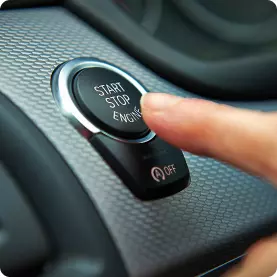
Selecting the right ignition interlock provider can make a world of difference.
Nebraska SR-22 Insurance Requirements
After a DUI in Nebraska, you may be required to file an SR-22 certificate of financial responsibility through your insurance provider. This special insurance filing must be maintained continuously for at least 3 years following license reinstatement. Any lapse in coverage results in automatic re-revocation of your license. SR-22 insurance typically costs significantly more than standard coverage due to your high-risk status. You must notify your insurance provider about your DUI, as failure to disclose can result in policy cancellation.

Let us help connect you to the right licensed insurance specialist for you.
Substance Abuse Evaluation and Treatment
Nebraska requires all drivers convicted of DUI to undergo a substance abuse evaluation by a licensed professional. This assessment determines if you have an alcohol or drug dependency issue and recommends appropriate treatment. The evaluation must be completed before sentencing, and courts typically order compliance with all recommended treatment as a condition of probation. Treatment may include educational classes, outpatient counseling, or intensive inpatient rehabilitation depending on assessment results. Completion certificates must be submitted to both the court and DMV as part of license reinstatement requirements.

Understand what to expect and how to prepare for a substance abuse evaluation.
FAQs About DUIs in Nebraska
Can you refuse a breathalyzer test in Nebraska?
You can refuse, but Nebraska’s implied consent law means automatic license revocation for at least one year.
Do you need an attorney for a first-time DUI in Nebraska?
Yes, an attorney can help minimize penalties and navigate both administrative and criminal proceedings.
Will you lose your commercial driver’s license (CDL) after a DUI in Nebraska?
Yes, even a first-offense DUI results in a one-year CDL disqualification, even if driving a personal vehicle.
Can you get a DUI for prescription medications in Nebraska?
Yes, driving while impaired by any substance, including legal prescriptions, can result in a DUI charge.
Sources
- Nebraska Legislature. (n.d.). Nebraska Revised Statute 60-6,196. Retrieved from https://nebraskalegislature.gov/laws/statutes.php?statute=60-6,196
- Nebraska Legislature. (n.d.). Nebraska Revised Statute 60-6,197.03. Retrieved from https://nebraskalegislature.gov/laws/statutes.php?statute=60-6,197.03
- Nebraska Department of Transportation. (n.d.). Impaired Driving. Retrieved from https://dot.nebraska.gov/safety/driving/impaired-driving/
- FindLaw. (n.d.). What Are the Nebraska DUI Laws? Retrieved from https://www.findlaw.com/state/nebraska-law/what-are-the-nebraska-dui-laws.html
- Nebraska Department of Motor Vehicles. (n.d.). Ignition Interlock Permit. Retrieved from https://dmv.nebraska.gov/fr/ignition-interlock-permit
- Nebraska Department of Motor Vehicles. (n.d.). SR-22 Revocations/Suspensions. Retrieved from https://dmv.nebraska.gov/fr/sr-22-revocationssuspensions
Get support.
What is next? We can help you through the process. Give us a little information and we can support you through the next steps.
All fields are required.