South Carolina DUI Laws: Drunk Driving Charges and Penalties
South Carolina treats driving under the influence as a serious offense, with penalties that escalate quickly based on BAC level, prior convictions, and whether someone was injured. Even a first DUI can bring fines, license suspension, mandatory alcohol education, and possible ignition interlock requirements, especially at higher BAC levels.
If you face a DUI in South Carolina, you can understand your obligations under the state’s ignition interlock program, and prepare for possible steep fines or jail time. Our comprehensive DUI guide walks you through the details.

Getting Started
South Carolina enforces strict DUI laws with penalties that escalate based on Blood Alcohol Concentration (BAC) levels and past DUI history. A first-offense DUI conviction can carry a fine and 48 hours to 30 days in jail (with increased minimum penalties at higher BAC levels), and repeat offenses can trigger substantially higher fines and longer incarceration. In addition, South Carolina law imposes mandatory court assessments on DUI convictions, and—depending on the conviction and driving record—some individuals may be required to enroll in the state’s Ignition Interlock Device Program and complete an Alcohol and Drug Safety Action Program (ADSAP) assessment and any recommended education/treatment as part of regaining driving privileges.
Important Note: While this page provides detailed information, DUI.org does not offer legal advice. Laws can change, so consult a qualified DUI attorney for personalized guidance related to your specific situation.
Definitions to Know
DUI (Driving Under the Influence)
South Carolina’s legal term for driving under the influence of alcohol or drugs.
SR-22
A certificate of financial responsibility filed by your auto insurance carrier proving you maintain the minimum required liability insurance coverage.
IID (Ignition Interlock Device)
A breathalyzer installed in a vehicle to prevent it from starting if alcohol is detected on your breath.
SCDMV (South Carolina Department of Motor Vehicles)
The state agency responsible for driver’s licenses, vehicle registration, and enforcing administrative license suspensions following DUI arrests.
SCDPS (South Carolina Department of Public Safety)
The state agency that enforces traffic safety laws and manages programs related to DUI enforcement and prevention.
Steps to Take After DUI Arrest in South Carolina
- Hire an Attorney
Legal counsel can help navigate both administrative and criminal processes related to your DUI charge.
- License Suspension
In South Carolina, your driver’s license will be suspended if you had a BAC of 0.15% or higher, or if you refused a chemical test.
- Request an Administrative Hearing
If you wish to contest your license suspension, you must request a hearing with the SCDMV within 30 days of your arrest.
- Apply for a Restricted License
If eligible, you may apply for limited driving privileges by installing an IID.
- Install an Ignition Interlock Device
For certain DUI convictions, particularly those involving a high BAC or repeat offenses, South Carolina law requires installation of an ignition interlock device as a condition of restricted or reinstated driving privileges.
Explore IIDs - File an SR-22
Proof of insurance coverage may be required for license reinstatement following a DUI conviction.
- Complete Substance Abuse Evaluation and Treatment
South Carolina requires evaluation and completion of recommended treatment programs through the South Carolina Department of Alcohol and Other Drug Abuse Services (DAODAS).
- Pay Fines and Fees
You’ll need to pay court fines and other fees, such as license reinstatement and administrative charges.
- Attend Court Proceedings
Your case will proceed through criminal court independently from administrative actions.
Expert DUI Attorneys in South Carolina
An experienced DUI attorney can help guide you through the process and represent your interests in court. If you are unsure how to find an attorney, we partner with several in your area.
VIEW ALL ATTORNEYSDUI Laws in South Carolina
What Are the Legal Driving Alcohol Limits in South Carolina?
In South Carolina, it’s illegal to drive if you’re under the influence of alcohol, drugs, or both. The law sets clear blood alcohol concentration (BAC) limits based on your age and license type. Law enforcement officers typically use breathalyzers to measure your Breath Alcohol Concentration (BrAC).
| Driver Category | Illegal BAC Limit |
| 21 and older | 0.08% |
| Commercial Drivers | 0.04% |
| Under 21 | 0.02% (Zero Tolerance) |
If you have a blood alcohol concentration of 0.08% or higher, you are considered per se intoxicated, even without other evidence of impairment such as failing a field sobriety test.
Felony vs Misdemeanor DUI Charges
South Carolina classifies DUI offenses as either misdemeanors or felonies based on the circumstances and number of prior convictions.
First and second DUI offenses are typically classified as misdemeanors, with penalties including fines, potential jail time, license suspension, and possible IID installation.
A DUI charge can be elevated to a felony in South Carolina if:
- It’s a third or subsequent offense within ten years
- The DUI results in great bodily injury to another person
- The DUI results in death
Felony DUI convictions carry significantly harsher penalties, including longer imprisonment terms, higher fines, longer license suspensions, and mandatory ignition interlock device installation upon license reinstatement.
Refusing a Chemical Test Under South Carolina DUI Law
South Carolina applies an implied consent law. This law means you automatically give your permission to be chemically tested for impaired driving when operating a vehicle on public roads. Refusing to submit to a blood, breath, or urine test when lawfully requested by a law enforcement officer will result in automatic license suspension, regardless of whether you are ultimately convicted of DUI.
| Offense | Penalty for Refusal |
| 1st Refusal | 6-month license suspension |
| 2nd Offense (within 10 years) | 9-month license suspension |
| 3rd Offense (within 10 years) | 12-month license suspension |
| 4th or Subsequent Offense (within 10 years) | 15-month license suspension |
These suspensions are administrative and separate from any criminal penalties that may result from a DUI conviction.
DUI Penalties & Consequences
Penalties for DUI Offenses in South Carolina
Penalties for DUIs in South Carolina become progressively severe with each conviction and are influenced by BAC levels. The following table outlines potential penalties upon conviction:
1st (BAC < 0.10%)
Jail Time: 48 hours–30 days (court may allow 48 hours public service in lieu of the 48-hour minimum)
Fines: $400
License Suspension: 6 months
1st (BAC 0.10–0.15%)
Jail Time: 72 hours–30 days (court may allow 72 hours public service instead of the 72-hour minimum)
Fines: $390-$1,000
License Suspension: 2 years
1st (BAC ≥ 0.16%)
Jail Time: 30–90 days (court may allow 30 days public service instead of the 30-day minimum)
Fines: $1,000
License Suspension: 6 months
2nd (BAC < 0.10%)
Jail Time: 5 days–1 year
Fines: $2,100–$5,100
License Suspension: 1 year
2nd (BAC 0.10–0.15%)
Jail Time: 30 days–2 years
Fines: $2,500–$5,500
License Suspension: 1 year
2nd (BAC ≥ 0.16%)
Jail Time: 90 days–3 years
Fines: $3,500–$6,500
License Suspension: 1 year
3rd (BAC < 0.10%)
Jail Time: 60 days–3 years
Fines: $3,800–$6,300
License Suspension: 2 years (4 if <5 yrs)
3rd (BAC 0.10–0.15%)
Jail Time: 90 days–4 years
Fines: $5,000–$7,500
License Suspension: 2 years (4 if <5 yrs)
3rd (BAC ≥ 0.16%)
Jail Time: 6 months–5 years
Fines: $7,500–$10,000
License Suspension: 2 years (4 if <5 yrs)
4th or Subsequent (BAC < 0.10%)
Jail Time: 1–5 years
Fines: (no fine specified)
License Suspension: Permanent
4th or Subsequent (BAC 0.10–0.15%)
Jail Time: 2–6 years
Fines: (no fine specified)
License Suspension: Permanent
4th or Subsequent (BAC ≥ 0.16%)
Jail Time: 4th or Subsequent (BAC ≥ 0.16%)
Fines: (no fine specified)
License Suspension: Permanent
All convictions also require completion of an Alcohol and Drug Safety Action Program (ADSAP).
Aggravating Factors That Increase South Carolina DUI Penalties
In South Carolina, these aggravating factors lead to elevated criminal charges, harsher fines, longer jail or prison time, extended license suspensions, and additional requirements:
- High BAC Levels: Having a BAC of 0.10% or higher, with especially severe penalties for BAC of 0.16% or above.
- DUI with a Child in the Vehicle: Results in additional charges and enhanced penalties.
- Causing Injury or Death: DUI resulting in great bodily injury or death is charged as a felony with mandatory minimum prison sentences.
- Multiple Prior Offenses: Each subsequent DUI conviction within a 10-year period leads to substantially increased penalties.
- Driving with a Suspended License: Driving while suspended due to a prior DUI adds additional charges and penalties.
- Refusing a Chemical Test: Refusing a chemical test can lead to longer administrative license suspensions.
Driving Without a Valid License
Driving while your license is suspended due to a DUI in South Carolina is a serious offense that carries significant penalties. If caught driving with a suspended license, you could face:
- Additional license suspension time
- Substantial fines
- Potential jail time
- Possible vehicle confiscation
- Ineligibility for restricted license privileges
- Negative impact on your current DUI case or probation status
These consequences make it extremely risky to drive during a suspension period. Instead, explore alternative transportation options or apply for a restricted license if eligible.
License Suspension
Who Determines if You Can Continue Driving After a DUI
If you’re arrested for DUI in South Carolina, you face both administrative and criminal proceedings that will affect your driving privileges and potentially result in other penalties. In South Carolina, two separate entities determine your driving privileges after a DUI arrest: the South Carolina Department of Motor Vehicles (SCDMV) and the criminal courts.
The SCDMV handles administrative license suspensions, which occur automatically in certain situations:
- If you have a BAC of 0.15% or higher
- If you refuse to submit to chemical testing
- If you have a prior DUI offense within the last 10 years
The criminal court may impose additional license suspensions as part of your sentencing if you are convicted of DUI. These two processes operate independently, and you may face suspension periods from both authorities.
How Long Will Your License Be Suspended?
Getting your license suspended in South Carolina means you are no longer allowed to drive a vehicle, unless you obtain a temporary or restricted license during your suspension period. Here’s how long your regular license may be suspended for a DUI in South Carolina:
| Offense | Administrative Suspension | Post-Conviction Suspension |
| 1st Offense | 6 months (refusal) / 1 month (BAC ≥ 0.15%) | 6 months |
| 2nd Offense | 9 months (refusal) / 2 months (BAC ≥ 0.15%) | 1 year |
| 3rd Offense | 12 months (refusal) / 3 months (BAC ≥ 0.15%) | 2 years |
| 4th or Subsequent Offense | 12 months (refusal) / 4 months (BAC ≥ 0.15%) | Permanent revocation (possible reinstatement after 5 years) |
These suspension periods may run concurrently or consecutively, depending on individual case circumstances.
Steps to Reinstate Your License
To reinstate your driver’s license after a DUI-related suspension in South Carolina, you must:
- Serve the full suspension period.
- Pay reinstatement fees to the SCDMV.
- Provide proof of insurance via SR-22 form (which must be maintained for three years), if required.
- Complete required alcohol and drug safety education or treatment programs through DAODAS.
- Install an IID if mandated by court or administrative order.
- Pass necessary vision, knowledge, and skills tests if required by the SCDMV.
Restoring Your Driving Privileges
South Carolina’s rules for restricted licenses after a DUI changed significantly for violations dated May 19, 2024, or later. Below is how the “restricted / route-restricted / provisional” section could be rewritten to reflect that.
Restoring your driving privileges
After a DUI conviction in South Carolina, you must meet specific requirements set by the courts and the South Carolina Department of Motor Vehicles (SCDMV) to regain your driving privileges. Depending on your offense date and circumstances, you may qualify for limited driving privileges through a Temporary Alcohol License (TAL) or, for older cases, a route‑restricted or provisional license.
Temporary and restricted licenses after DUI
For DUI or implied-consent suspensions with violation dates on or after May 19, 2024, South Carolina has updated the types of licenses available during and after suspension. If you request an implied-consent hearing, you may be eligible for a Temporary Alcohol License that allows you to drive while your hearing is pending, after paying the required fee and meeting SCDMV conditions.
For first-offense DUI with a BAC of .14 or less, SCDMV no longer issues provisional licenses for violations dated May 19, 2024, or later. For suspensions based on BAC .15 or greater or implied-consent violations with violation dates on or after May 19, 2024, SCDMV also no longer issues route-restricted licenses; instead, drivers generally must use a Temporary Alcohol License while the hearing is pending and comply with ignition interlock requirements if they wish to continue driving afterward.
How to Apply for a Temporary Restricted Driver’s License
To apply for a provisional driver’s license in South Carolina:
- Enroll in an Alcohol and Drug Safety Action Program (ADSAP).
- Install an ignition interlock on your vehicle(s) if required.
- Submit SR-22 as proof of insurance coverage, if required.
- Provide documentation of need (e.g., employment verification, school enrollment, or medical necessity).
- Pay applicable application and processing fees to the SCDMV.
- Complete the required forms at your local SCDMV office.
South Carolina Ignition Interlock Device (IID) Requirements
South Carolina’s Ignition Interlock Device Program is overseen by the South Carolina Department of Probation, Parole and Pardon Services. For DUI and Felony DUI offenses with violation dates on or after May 19, 2024, an ignition interlock device must be installed to clear these suspensions or revocations if you wish to regain driving privileges. Earlier cases may have more limited or optional interlock requirements depending on the offense date and BAC.
Typical requirement periods for serious and repeat offenses are:
- First offense with BAC ≥ 0.15%: ~6 months
- Second offense: ~2 years
- Third offense: ~3 years
- Fourth or subsequent offense: extended or lifetime restrictions
The device must be installed in all vehicles registered to or operated by you. Regular calibration and monitoring are required, with data downloads sent to the DPPPS. Any attempt to tamper with the device or failure to comply with program requirements can result in extension of the IID period or additional penalties.
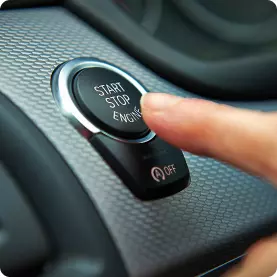
Selecting the right ignition interlock provider can make a world of difference.
SR-22 Insurance Requirements
After a DUI conviction in South Carolina, you may be required to file an SR-22 form with the SCDMV to verify that you maintain the state-required minimum insurance coverage. The SR-22 is not insurance itself but a certificate your insurance company files on your behalf.
Key aspects of SR-22 requirements in South Carolina:
- Must be maintained for at least three years following license reinstatement
- Any lapse or cancellation of insurance during this period results in immediate license suspension
- Requires notification to the SCDMV if you move to another state
- Often results in higher insurance premiums
- Must cover all vehicles registered in your name, even if you don’t drive them
To obtain an SR-22, contact our premier insurance broker partner, Breathe Easy Insurance Solutions.

Let us help connect you to the right licensed insurance specialist for you.
Substance Abuse Evaluation and Treatment
South Carolina requires individuals convicted of DUI to complete a substance abuse evaluation and any recommended treatment through the South Carolina Department of Alcohol and Other Drug Abuse Services (DAODAS).
The process typically involves:
- Completing an initial assessment to determine the appropriate level of intervention
- Attending education sessions about alcohol, drugs, and their effects on driving
- Participating in treatment programs if determined necessary by the evaluation
- Paying all associated fees for evaluation and treatment programs
- Receiving certification of completion to provide to the court and SCDMV
The Alcohol and Drug Safety Action Program (ADSAP) is administered by county alcohol and drug abuse authorities throughout South Carolina. The program’s length varies based on individual assessment results but typically takes at least 8 weeks to complete.

Understand what to expect and how to prepare for a substance abuse evaluation.
FAQs About DUIs in South Carolina
Can you refuse a breathalyzer test in South Carolina?
Yes, you can refuse a breathalyzer test in South Carolina, but refusing will result in automatic license suspension under implied consent laws, regardless of whether you’re ultimately convicted of DUI.
Will you go to jail for a first-time DUI in South Carolina?
It’s possible you will go to jail for your first DUI in South Carolina. Even a first-time offense may face potential jail time of 48 hours to 90 days, depending on BAC level.
Can you drive to work after a DUI conviction?
It may be possible to drive to work after a DUI conviction in South Carolina if you install an ignition interlock device as required.
How much does a DUI cost in South Carolina?
Between fines, legal fees, increased insurance rates, and program costs, a DUI can cost $10,000 or more.
Sources
- South Carolina Department of Motor Vehicles. (n.d.). Official Website. https://scdmvonline.com
- FindLaw. (n.d.). What Are the South Carolina DUI Laws? https://www.findlaw.com/state/south-carolina-law/what-are-the-south-carolina-dui-laws.html
- South Carolina Department of Public Safety. (n.d.). SC DUI Laws. https://scdps.sc.gov/scsoberorslammer/scduilaws
- South Carolina Department of Probation, Parole and Pardon Services. (n.d.). Ignition Interlock. https://www.dppps.sc.gov/Ignition-Interlock, https://www.dppps.sc.gov/Ignition-Interlock/Program-Procedures
- South Carolina Department of Motor Vehicles. (n.d.). Insurance Companies. https://www.scdmvonline.com/Business-Customers/Insurance-Companies
- South Carolina Department of Alcohol and Other Drug Abuse Services. (n.d.). DUI Services. https://www.daodas.sc.gov/services/treatment/dui-services/
Get support.
What is next? We can help you through the process. Give us a little information and we can support you through the next steps.
All fields are required.