
This article is for general informational purposes only and does not constitute legal or medical advice. Laws vary by state, and readers should consult a licensed attorney in their jurisdiction; DUI.org is not a law firm. Medical questions should be directed to a qualified medical professional.
Dr. Calvina Ellerbe weighs in on the value of continuous alcohol self-monitoring and how it may help you change your drinking habits or become more aware of why you drink.
Key Takeaways:
- Continuous alcohol self-monitoring can help your sobriety journey by making you a more active participant.
- You can choose from a variety of tools to track your progress, including journals, personal breathalyzers, sobriety apps, and more.
- Whether used alone or in conjunction with other sobriety tools or programs, continuous alcohol self-monitoring can encourage long-lasting change.
Changing your relationship with alcohol can feel hard, especially if drinking has been part of your routine for years. Maybe you drink to relax after work, fit in with friends, or deal with stress. But change may be within reach. It often starts with noticing the moments, feelings, and situations that make you want to drink.
Continuous alcohol self-monitoring is one way to get a clearer picture of your habits. You track when you drink, how much you drink, what you were feeling, and what was happening around you. This can help you identify triggers, set realistic goals, and make safer choices over time.

When making a decision about monitoring and potentially changing your alcohol use, make sure you know where you’re going and why you’re going there, says Dr. Calvina Ellerbe, associate professor of sociology at the University of North Carolina, Pembroke. “Recognize that your decision needs to be helpful for your outcome.”
Whether your goal is to drink less, stay sober, or meet a court requirement after a DUI, self-monitoring can support accountability. It is not a replacement for professional treatment if you have alcohol use disorder, but it can be a useful tool alongside counseling, support groups, and other recovery resources. The information here isn’t medical or legal advice and is intended to be a resource to provide support if you’re concerned about your drinking or someone else's drinking.
DUI.org is owned and operated by Consumer Safety Technology, LLC and is part of the Mindr family of brands which includes Intoxalock, Keepr®, and Breathe Easy Insurance Solutions.
The Substance Abuse and Mental Health Services Administration website can point you to various online support options. For immediate assistance, the SAMHSA hotline is 1-800-662-HELP (4357) and the national suicide and crisis line is 988.
How Does Continuous Self-Monitoring for Alcohol Work?
Self-monitoring involves observing and recording your alcohol use and behaviors. The goal is to intentionally track your drinking habits. You’ll record how much you drank, when and where you were, who you were with, how you felt before and after, and what situations influence your choices.
You can use journals, smartphone apps, wearable alcohol monitoring devices, or personal breathalyzers, depending on your goals. According to the National Institute on Alcohol Abuse and Alcoholism college drinking site, self-assessment is a low-cost, low-barrier option with high effectiveness for managing alcohol consumption.
Why Would I Choose to Monitor My Alcohol Use?
This article is for general informational purposes only and does not constitute legal or medical advice. Laws vary by state, and readers should consult a licensed attorney in their jurisdiction; DUI.org is not a law firm. Medical questions should be directed to a qualified medical professional.
Self-monitoring can help you manage your drinking for several personal, professional, and legal reasons.
To Monitor Your Health
Alcohol can affect your physical and mental health. When you track your drinking and get a better view of your habits, you may start to see a connection between how it impacts your sleep, mood, energy levels, and ability to concentrate or exercise.
Over time, you might find that drinking even moderate amounts of alcohol can adversely affect your health. Keeping a record of your drinking habits can help you see ways alcohol may be adversely affecting your health.
To Support a Recovery Program
Self-monitoring can add an additional layer of accountability if you’re in a substance abuse recovery program. Recording daily successes, challenges, and cravings gives you a personal record to help you see what may be working and where you might need different strategies. This can be valuable information to share with your sobriety team.
Self-monitoring can also help you focus on your progress between counseling sessions, support groups, or treatment appointments. It can keep you focused on meeting your sobriety goals when you record your wins, and address setbacks if they arise.
To Meet Court Orders or Requirements
After a DUI arrest or conviction, you might need to comply with alcohol monitoring requirements. The court may also order alcohol monitoring as part of a custody agreement or other family law agreements.
Depending on the circumstances, self-monitoring tools can add empirical, objective data to formal alcohol monitoring programs and tools. This data can help you document and demonstrate your efforts to avoid alcohol.
To Uphold Family Agreements
Sometimes, families make agreements about alcohol use. Parents might have an agreement with their teens or young adult children about partying and driving. Couples might hold each other accountable about drinking. And divorcing couples or co-parents might even have a legal requirement where monitoring alcohol use is part of their court process.
Keeping a personal alcohol use record and choosing tools that provide verifiable data about alcohol may help to meet requirements and/or maintain trust.

Concerned about underage drinking and driving? What happens when kids aged 12 to 20 drive drunk.
What Tools Can I Use to Monitor My Drinking?
There are a variety of alcohol self-monitoring tools. The best option depends on your goals, budget, and the level of accountability you need. If you’re fulfilling a legal requirement, consult with your attorney about the details of your case. If you need additional medical or therapeutic support, find a qualified professional to discuss your goals and challenges.
Here are some of the most common alcohol self-monitoring solutions.
Alcohol Diary
A simple notebook is one of the most affordable and private options. You can use it to record information about your drinking habits every day.
The information you record is up to you. But in general, it helps to include how many drinks you had, and when and where you had them. You might also make notes about:
- Your mood, and how it affected your choices
- Whether an event “triggered” your drinking
- How you felt before and after drinking
- How you felt about not drinking
Consistent journaling might start to reveal patterns about your alcohol use.
Mobile Apps
Smartphone apps can record your alcohol consumption, set personal goals, monitor sober streaks, and send reminders to help you stay on track, all from your phone. Some apps have educational resources, motivational messages, or visual charts that make it easy to see long-term progress.
Here are some examples of alcohol-monitoring apps:
Costs and privacy policies vary, so you may want to do some research and read any fine print.
Alcohol Monitoring Bracelets
Alcohol monitoring devices like bracelets continuously measure alcohol levels through your skin, giving you an ongoing record of your alcohol use.
They’re frequently used in court-ordered monitoring programs, but they can also help if you want a higher level of accountability. The National Library of Medicine has several studies showcasing the value of using a monitoring device for alcohol consumption.
Personal Breathalyzer
Personal breathalyzers can measure your breath alcohol concentration (BrAC) while you’re on the go, using a discreet handheld device that can quickly give you results. Some personal breathalyzers like Keepr® Drive can also connect to your vehicle's ignition. When enabled, Keepr Drive prevents your car from starting if you fail a pre-set BrAC test level.
Keepr® is owned and operated by Consumer Safety Technology, LLC and is part of the Mindr family of brands which includes Intoxalock, DUI.org, and Breathe Easy Insurance Solutions.
Some models pair with smartphone apps that automatically record test results, which may make it easier to track your progress and have objective data at your fingertips. A recent study published in Oxford Academic found apps and personal breathalyzers are the most effective for clinical use.
“Information is, in fact, power,” says Dr. Ellerbe. “With that tool being able to use that information, you can reach that goal.”
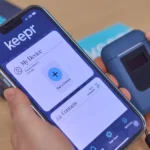
Want to learn how to use a personal breathalyzer? Follow these steps.
How Can Continuous Alcohol Self-Monitoring Help Modify My Drinking Habits?
Consistently monitoring your drinking may make you more aware of your decisions. Taking a moment to record your choice may help you notice any circumstances that lead you to alcohol use. If patterns emerge, you can start trying to make more informed decisions about drinking.
Continuous monitoring may also help you to see measurable progress. When there are fewer drinking days, reduced alcohol use, and longer sobriety periods, it may help reinforce positive habits and keep you motivated. The information in this blog isn’t medical advice, but we do hope it’s helpful. Medical advice should be obtained from a qualified medical professional.
What Are the Benefits of Continuous Self-Monitoring?
Self-monitoring has benefits beyond counting drinks. When you take an active role in your sobriety journey, it can empower you to make better decisions and help guide you toward living the life that you want.
Personal Accountability
Tracking your own behavior encourages you to be honest with yourself. Instead of relying on memory, you’ve got records of your choices that can reinforce your goals and prevent underestimating consumption.
“Being truthful, connected, and willing to create parameters and experiences around yourself can help you reach a goal,” says Dr. Ellerbe.
Self-Empowerment
Continuous monitoring gives you an active role in your own sobriety, because you’re not waiting for someone else to point out problems. You can take charge and make decisions based on what you learn. That can help create ownership and boost your confidence to make a long-term commitment to healthier habits.
Dr. Ellerbe says being honest with yourself is one of the most important decisions you can make when trying to create a more balanced experience with alcohol. “You [have] to be honest with yourself. Be honest. Is it true that I can manage this? Do I tend to have an addictive personality? Is it hard for me to not go to extremes?”
Trigger and Behavior Awareness
You might not realize what influences your drinking until you start tracking it. Self-monitoring can help you identify issues like emotional and environmental triggers, social influences, time-of-day patterns, and high-risk situations. Once you spot these patterns, you can create strategies to avoid or manage them better.
Data is a truth-teller, says Dr. Ellerbe. “One of the only ways to be honest with yourself is to have somebody [or something] looking at you” and showing you what you did.

Did you know? Alcohol use in women is on the rise. Explore why this is happening and how to mitigate it.
Are there Limitations or Drawbacks to Alcohol Self-Monitoring?
Continuous self-monitoring can be valuable, but it’s not a magic wand. It requires your participation and vigilance to work effectively.
It Requires Patience
Changing your behavior doesn’t happen overnight. Collecting enough relevant information about patterns, triggers, and habits may take weeks or months. However, consistent data can provide a long-term look into creating lasting changes.
It’s Entirely Self-Driven
Self-monitoring works best when you’re committed to being honest. If you skip recording information or intentionally leave out details, it’s not as useful. Your drive might fluctuate over time, and that can make it harder to maintain daily tracking without reminders or outside encouragement.
You May Need Additional Support for Alcohol Use
Continuous monitoring is a helpful tool, but it’s not a substitute for professional treatment if you believe you have alcohol dependence or alcohol use disorder.
If your drinking is difficult to control, causes significant problems, or leads to repeated legal, financial, or relationship issues, you may need additional support. That could include healthcare providers, counselors, or recovery programs.
There’s no shame in needing additional support. Self-monitoring in conjunction with professional treatment may help you achieve successful long-term outcomes. If you need immediate help, call the Substance Abuse and Mental Health Services Administration (SAMHSA) hotline at 1-800-662-HELP (4357) or the national suicide and crisis line at 988.
DUI.org is Here to Help
If you want to change your drinking habits, comply with court orders, or prevent another DUI, continuous alcohol self-monitoring may help.
DUI.org also offers valuable educational resources to help you understand more about alcohol monitoring, DUI requirements, and other information.
DUI.org is owned and operated by Consumer Safety Technology, LLC and is part of the Mindr family of brands which includes Intoxalock, Keepr®, and Breathe Easy Insurance Solutions.
Frequently Asked Questions
These FAQs are for general informational purposes only and do not constitute legal advice. Laws vary by state, and readers should consult a licensed attorney in their jurisdiction; DUI.org is not a law firm.
How do I start continuous alcohol self-monitoring if I’ve never done it before?
Start with a simple goal and choose one tracking method that fits your lifestyle, such as a Keepr® personal breathalyzer, journal, or mobile app. Then, record your drinking each day, including when, where, and why you drank.
Once you’ve tracked your habits for a few weeks, you may start to see patterns and can set goals for reducing or avoiding alcohol.
Can self-monitoring help if I’ve been charged with a DUI?
Staying accountable matters, and alcohol monitoring can help. Self-monitoring doesn’t replace court-ordered monitoring requirements, but tracking your alcohol use can help document your progress.
It can help you stay compliant with treatment recommendations or probation expectations and may make it easy for you to share your progress with people on your sobriety team.
Can self-monitoring be used with other sobriety programs?
Combining self-monitoring with counseling, recovery meetings, outpatient treatment, or other sobriety programs may be useful. Tracking your progress between appointments can give you valuable information to discuss with your doctor or support group. It also may reinforce the skills you’re learning through treatment.
How can I stay motivated with continuous monitoring?
Setting realistic goals and celebrating small milestones can help. Also, regularly reviewing your progress can help you recognize positive changes. Sharing your goals with a trusted friend, family member, counselor, or support group can also increase accountability.
Get support.
What is next? We can help you through the process. Give us a little information and we can support you through the next steps.
All fields are required.